

Mayfair High Stakes: A Hidden Legacy
Behind Mayfair’s elegant façades lies a thrilling chapter of Mayfair high stakes gambling, wealth, and social intrigue. Known today as one of London’s most exclusive districts, Mayfair has long been synonymous with luxury. But beneath the glamour is a rich – and at times scandalous – history of high-stakes gambling that helped shape British social life over centuries.
Early Days: The Roots of High Society Wagers
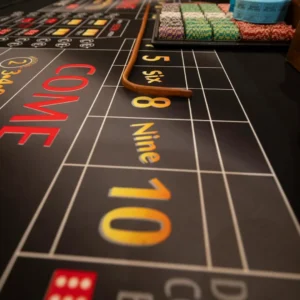 Mayfair’s association with gambling began in the early 18th century, when the aristocracy started to settle in the newly developed area. The wealthy built grand homes and brought a love for games of chance. Soon after, discreet gambling salons began to flourish.
These weren’t the loud gambling halls of East London. Instead, refined private clubs hosted candlelit games of cards and dice. The practice quickly became embedded in the lifestyle of the wealthy elite.
White’s Club and the Art of the Absurd Bet: Mayfair High Stakes
Established in 1693 and relocated to its St. James’s Street address in 1778, White’s became infamous for its eccentric betting habits. Far from just games of skill or chance, the club’s members – often peers of the realm – would stake fortunes on absurd propositions. Whether it was the outcome of a race, the weather, or even which raindrop would reach the bottom of a windowpane first, no topic was too trivial.
The club’s legendary betting book, still preserved, reveals wagers that would equate to hundreds of thousands of pounds today. White’s wasn’t merely a gentleman’s club – it was a symbol of high society’s reckless indulgence.
Almack’s: Elegance, Power and Play
Opened in 1765, Almack’s Assembly Rooms became a focal point for London’s social elite. Run by a formidable group of Lady Patronesses, Almack’s governed entrance to the most exclusive soirées – and by extension, its secretive gambling salons. Almack’s was best known for balls and matchmaking. However, high-stakes card games there often decided far more than dance partners.
Crockford’s Club: Gambling Goes Grand
No name in Mayfair gambling history stands taller than William Crockford. The son of a fishmonger, Crockford defied his humble beginnings to create the most opulent gambling house of the 19th century.
In 1827, he opened Crockford’s Club at 50 St. James’s Street, transforming the very idea of what a gambling venue could be. Benjamin Dean Wyatt designed Crockford’s with marble columns and glittering chandeliers. Moreover, Napoleon’s former chef crafted its luxurious cuisine.
But Crockford’s brilliance lay not just in luxury – it was in mathematics. He introduced the concept of a “house edge”, ensuring that the club profited in the long term, regardless of members’ short-term wins. It was a pioneering model that reshaped the industry.
Among the club’s patrons were aristocrats, politicians, and poets. The Duke of Wellington and Lord Byron were both regulars – and losers – at Crockford’s tables. By the time the club closed in 1844, Crockford had reportedly amassed over £2 million (a vast sum for the time).
Decline and Reform: Mayfair High Stakes
The golden age of Mayfair’s gambling scene came under threat in the mid-19th century. The Gaming Act of 1845 sought to regulate gambling more tightly, and public opinion began to shift, driven by concerns over morality and social ruin.
Many of the smaller gambling establishments closed. Crockford’s itself ceased operations shortly after its founder’s retirement and subsequent death. Gambling didn’t disappear from Mayfair, but it retreated into the shadows, replaced by more conventional forms of entertainment within private clubs.
The Legal Revival of the 20th Century
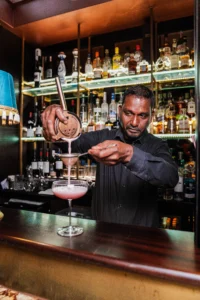 A new chapter began in 1960 with the Betting and Gaming Act, which legalised casinos under certain conditions. Mayfair, with its heritage of exclusivity and elegance, was an obvious choice for this rebirth. Venues such as The Ritz Club carried forward the tradition of luxurious gaming, mixing old-world charm with modern gaming technology.
Other establishments, like the Playboy Club, captured the swinging spirit of the 1960s and 70s. Though the club has since closed, its impact on Mayfair’s cultural fabric remains.
The Digital Age and Democratisation of Play
In recent decades, the gambling industry has evolved again – this time, digitally. Premium online platforms now deliver the excitement of casino gaming to a global audience, removing the exclusivity once reserved for Mayfair’s elite.
While high-end clubs still thrive in the area, the essence of gambling has become more inclusive, accessible via smartphones and computers. The thrill of chance, once hidden behind closed doors, is now available to anyone with an internet connection.
Reflections on a Risk-Taking Legacy: Mayfair High Stakes
Mayfair’s gambling story is about more than games and money. These venues shaped British culture, sparked fashion trends, and played host to moments of political and social significance. They were gathering points for the powerful and the ambitious, where reputations were made – and unmade.
Literature and film have immortalised this glamorous world. Ian Fleming drew inspiration from Mayfair’s club scene, and cinematic portrayals continue to showcase the allure of high-stakes gaming in elegant settings.
Today, the UK Gambling Commission oversees both physical and digital gambling, enforcing regulations to ensure fairness and protect consumers. It’s a long way from the unregulated salons of the 1700s, but the spirit of calculated risk remains.
Final Thoughts
Mayfair’s gambling heritage began in private candlelit parlours. Today, it thrives online, revealing how British society has evolved. Though the landscape has changed, the district’s reputation for luxury and high-stakes excitement continues to captivate.
And in the quiet rooms of Mayfair’s most exclusive clubs, the cards are still being dealt – just as they were centuries ago.