

Pickles Shelf Life: The Essential Guide
Maximising your pickles shelf life ensures you maintain their quality and add a delightful crunch to many meals. Many people assume the vinegar brine preserves them indefinitely, yet this is not entirely true. You need to follow specific rules to keep your pickles safe and tasty. Consequently, understanding the difference between shelf-stable jars and fresh varieties is vital. This guide explores the best methods for keeping your snacks fresh and delicious.
Unopened Jars and Pickles Shelf Life
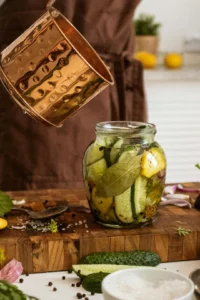 You might buy pickles from the supermarket shelf. Manufacturers process these jars in a hot water bath. This sterilisation process makes them safe for long-term storage without cooling. Therefore, you can keep unopened jars in your pantry safely. They often last a year past the “best by” date. However, you must keep them in a cool, dark place.
The Impact of Heat
Heat and sunlight destroy food quality over time. Thus, avoid storing jars near your cooker or radiator. Direct sunlight also degrades the flavour and texture. If your house gets very hot in summer, move the jars to a cooler spot. Alternatively, place them in the fridge during heatwaves to protect them.
Handling Opened Pickles
Once you open the seal, everything changes. You break the sterile environment immediately. Therefore, bacteria can now enter the jar. You must refrigerate the jar straight away. Do not leave an open jar on the counter for more than two hours.
The Two-Hour Rule
Leaving pickles out allows bacteria to grow rapidly. Furthermore, the pickles lose their signature crunch in warm air. They become soft and unappealing very quickly. Consequently, you should always put the lid back on tight. Then, place the jar back in the fridge immediately after use. Generally, an opened jar lasts about three months in the fridge before spoiling.
Fridge Pickles Shelf Life Explained
Not all pickles undergo the canning process. Some recipes call for “quick pickles” or “fridge pickles”. Cooks make these by soaking cucumbers in vinegar and spices without heat. Consequently, these are not shelf-stable at all. You must keep them in the fridge from the very start.
Shelf Life Differences
These fresh varieties have a much shorter lifespan. Typically, you must eat them within three to four weeks. Supermarkets also sell these types in the refrigerated section. Treat store-bought refrigerated pickles exactly like homemade ones. Always keep them cold to prevent spoilage.
How to Spot Bad Pickles
You need to know when a jar goes off. Eating spoiled food can make you ill. Therefore, inspect your jars regularly for signs of decay.
Visual Clues
Look at the brine first. Fresh brine looks clear. Conversely, spoiled brine often turns cloudy or murky. Also, watch for changes in colour. If the cucumbers look dull or discoloured, discard them. Finally, look for any visible mould growth on the surface.
Texture and Fizzy Brine
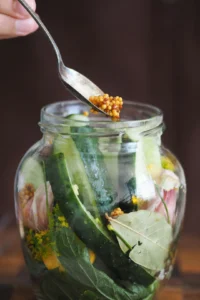 Fresh pickles offer a sharp crunch. Bad ones often turn mushy and soft. Furthermore, look for bubbles in the liquid. If the brine looks fizzy, bacteria are active inside. A bulging lid also indicates gas production from bacteria. In this case, throw the jar away immediately. Do not taste it.
Tips for Better Pickles Shelf Life
You can extend the life of your savoury snacks with simple habits. First, always use a clean utensil. Never put your fingers into the jar. Your hands introduce unwanted germs into the brine. Instead, use a clean fork to fish them out.
Keep Them Submerged
Ensure the brine covers the vegetables completely. Parts exposed to air will dry out and rot faster. Therefore, push them down into the liquid before sealing the lid. Tightly close the jar after every single use. These small steps keep your food fresh for as long as possible.
Conclusion on Pickle Safety
Proper storage keeps your pickles crunchy and safe to eat. You must distinguish between shelf-stable and fresh varieties carefully. Always put opened jars in the refrigerator immediately. Furthermore, watch for signs of spoilage like cloudy brine or bad smells. Ultimately, good habits prevent food waste and protect your health. Follow these simple rules for the best snacking experience.